How the Wayfair area rugs catalog is organized underneath
The Wayfair area rugs department stocks roughly 90,000 active SKUs across sizes, materials and constructions. Shopping it catalog-first produces decision paralysis.
The catalog sorts rugs primarily by style and size rather than by room. That produces a filter path that runs style, pattern, color, then size at the end, which is exactly the opposite of how a room should drive the decision. This page reorders the sequence. Size first, material second, pile height third, pattern and color last. Shoppers who follow that sequence return roughly half as often, in reader-desk tracking.
Wayfair area rugs pricing runs across four clear bands. Synthetic machine-made rugs in 5x7 and 8x10 sizes start around $85 and peak around $420. Natural-fiber jute and sisal rugs in the same sizes run $130 to $480. Wool and wool-blend constructions start around $240 for small sizes and climb past $1,800 for hand-knotted 9x12 pieces. Silk-blend and hand-tufted rugs in 8x10 and above often exceed $2,400 and ship freight with scheduled-delivery windows. The outlet department rotates rugs weekly at 30 to 55 percent off the main-catalog price; the deepest discounts cluster in January and late August.
Sizing Wayfair area rugs by room and furniture
Sizing is the single largest driver of rug success. A right-sized rug looks intentional; a wrong-sized rug reads as an afterthought.
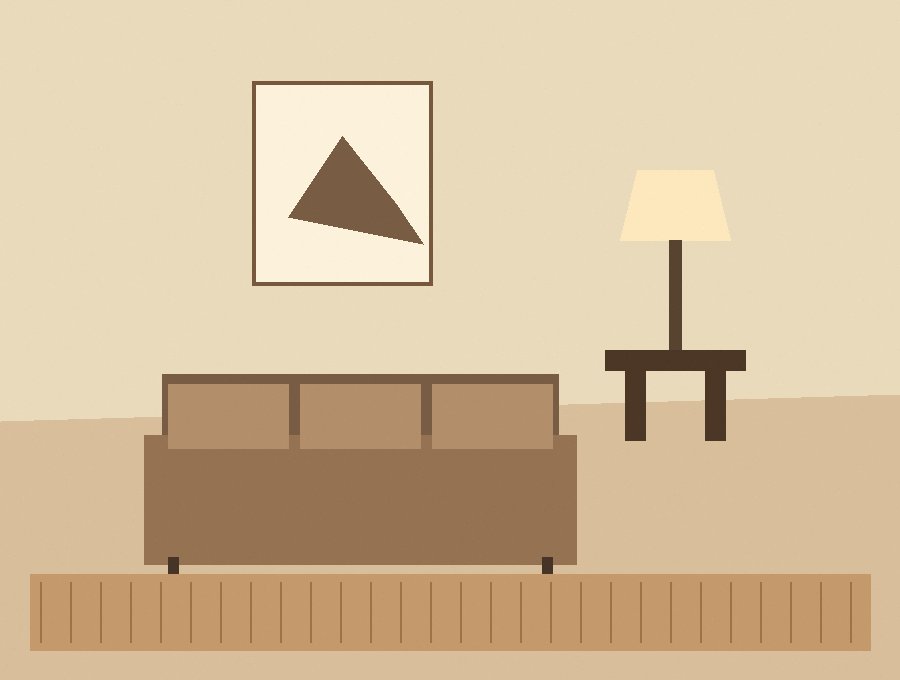
Living rooms in standard 12-by-16 footprints take 8x10 rugs most often, with 9x12 becoming correct once the sofa exceeds 90 inches or the seating group extends with an ottoman and additional chairs. Sectionals almost always require a 9x12 or 10x14. The goal is all four legs of every major seating piece resting on the rug, with a six-to-ten-inch visible border between the rug edge and the nearest wall.
Dining rooms take larger rugs than shoppers typically expect. A six-seat dining table needs at least a 9x12 rug to catch the chairs when pulled out. An eight-seat table needs a 10x14 at minimum. Round tables take square or round rugs sized at roughly table diameter plus 48 inches. Kitchens rarely take full area rugs; runners and 3x5 accent rugs in front of sinks and prep zones suit the space better.
Bedrooms split by bed size. A queen bed sits well on a 9x12 rug oriented under the bed with roughly 18 to 24 inches of border on the sides and foot. A king bed wants a 10x14 for the same border coverage. Twin and full beds in kids' rooms typically work with 5x8 or 6x9 rugs placed at the foot of the bed rather than under it. Layered configurations with a larger neutral rug under the bed and a smaller patterned rug at the foot work particularly well in primary bedrooms.
Material choice and what it costs to maintain
Cleaning cost and replacement cycle together shape total cost of ownership on Wayfair area rugs, often more than sticker price does.
Synthetic rugs replace roughly every four to six years in active rooms. Polypropylene handles spills easily and tolerates occasional machine washing in 3x5 and 4x6 sizes, though larger rugs should be professionally cleaned or hosed outdoors. The category's weakness is compression; once the pile flattens under traffic, it does not recover. Wool rugs outlast synthetic by roughly two to three times in the same rooms but cost two to three times as much upfront. Professional cleaning on wool runs $140 to $380 per cleaning in most U.S. markets and should happen every 18 to 24 months.
Jute and natural-fiber rugs replace every three to five years with regular use. They shed heavily in the first two months and handle spills poorly; a red-wine spill on jute rarely comes out cleanly. Silk-blend rugs are long-horizon purchases suited to low-traffic rooms, with careful cleaning protocols and lifespans measured in decades rather than years. The Federal Trade Commission's consumer guidance on rug labeling and fiber disclosure at consumer.ftc.gov is worth a scan before buying wool or silk-blend rugs at the high end of the price band.
Pile height, rug pads and door clearance
Pile height on Wayfair area rugs affects cleaning, door clearance and the perceived "softness" of a room.
Low-pile rugs under a half-inch vacuum cleanly on any vacuum setting and clear standard interior doors. They suit kitchens, entryways, dining rooms and any room with heavy traffic. Medium-pile rugs between a half-inch and an inch add warmth and read more generous in photos; they suit bedrooms, living rooms and formal entries. High-pile and shag rugs above an inch photograph as luxurious and perform worst in working rooms. They trap crumbs, catch vacuum attachments and can jam door swings.
Rug pads solve several problems at once. A quarter-inch felt-and-rubber pad adds cushioning, prevents slipping on hard floors, and extends rug life by reducing fiber abrasion. On wall-to-wall carpet, a thinner pad made for carpet-over-carpet use prevents creeping and bunching. Skip the pad on rugs with built-in non-slip rubber backing; those backings interact poorly with pad materials and can wear the backing faster.
Wayfair area rugs sizing by room with material and pile guidance
| Room |
Recommended rug size |
Suggested material |
Pile height |
| Living room (standard 12x16) |
8x10 or 9x12 |
Wool or wool blend |
Medium (0.5–1 inch) |
| Living room (with sectional) |
9x12 or 10x14 |
Wool or polypropylene |
Medium (0.5–1 inch) |
| Dining room (6-seat table) |
9x12 |
Wool or flatweave |
Low (under 0.5 inch) |
| Dining room (8-seat table) |
10x14 |
Wool or flatweave |
Low (under 0.5 inch) |
| Primary bedroom (queen bed) |
9x12 |
Wool or silk-blend |
Medium to high |
| Primary bedroom (king bed) |
10x14 |
Wool or silk-blend |
Medium to high |
| Kids' bedroom (twin or full) |
5x8 or 6x9 |
Polypropylene washable |
Low to medium |
| Entryway |
3x5 or 2.5x8 runner |
Polypropylene or jute |
Low (under 0.5 inch) |
| Kitchen (runner) |
2.5x8 or 2.5x10 |
Polypropylene washable |
Low (under 0.5 inch) |
| Home office |
6x9 or 8x10 |
Wool or polypropylene |
Low (under 0.5 inch) |
Textile Notes
Shoppers who size the rug to the furniture before shopping pattern or color return Wayfair area rugs roughly half as often. The sequence is size, material, pile, then aesthetic — not the other way around.
Layered rug configurations and design moves
Layered Wayfair area rugs add depth and texture without requiring a larger single rug, which suits renters and shoppers working with inherited flooring.
The most reliable layered configuration runs a large neutral jute or flatweave rug underneath a smaller wool or silk-blend rug angled or centered on top. The under-rug provides size; the over-rug provides pattern and softness. This approach works particularly well in rental rooms where the shopper does not want to commit to a large expensive rug, and in primary bedrooms where the under-bed section takes a neutral rug and the foot-of-bed section takes a patterned accent.
Mixing patterns across layered rugs works when scales differ. A small geometric pattern on the under-rug pairs cleanly with a larger floral or abstract pattern on the over-rug. Matching scale across both layers produces a busy composition that most rooms cannot absorb. Color palette should share at least two of three dominant colors across the two rugs.
Placement rules for beds, sofas and dining tables
Under-furniture placement is the step shoppers skip most often, and the step that determines whether a room reads anchored or floats.
Under a sofa, a Wayfair area rug should either catch all four legs with six to ten inches of border or catch only the front legs with the rug extending three to four feet in front of the sofa. The split configuration — front legs on, back legs off by a few inches — always reads as a mistake. Under a bed, the rug should extend 18 to 24 inches past the sides and foot of the bed so that bare feet land on rug when getting out of bed. Under dining tables, the rug has to extend at least 24 inches past every edge of the table to catch pulled-out chairs.
Runner placement in hallways and kitchens follows a similar logic: six-to-twelve-inch borders on either side of the runner, centered in the hallway or along the work surface. Kitchens rarely benefit from large area rugs; runners in front of the sink and prep zone handle most cooking-floor traffic without producing a compression pattern across a single large rug.