Home furniture — room-by-room priorities for a full-household order

A generic home furniture shopping guide covering room-by-room priorities, realistic budget tiers and the quality signals that separate long-service pieces from short-service ones. Not Wayfair-specific; the frameworks apply to any retailer.

Why trust this shopper's guide

Independent reader desk, no Wayfair affiliate income, designer-reviewed before publication.

I

Independent

No Wayfair affiliate links, no supplier placement fees, no partner-authored copy under our byline.

D

Designer-reviewed

Furniture, lighting and decor coverage passes licensed interior designers before publication.

C

Catalog-observed

Weekly catalog scrapes and roughly 800 reader inbox messages per week inform every page.

R

Revised in public

Visible last-updated date on every page. When facts change, we show the revision rather than hiding the edit.

Room priority, budget priority, quality signal — the three filters

A full-household home furniture order fails most often on sequence, not on total budget.

Priority order: living, bedroom, dining, office, guest

Spend most where you spend most time.

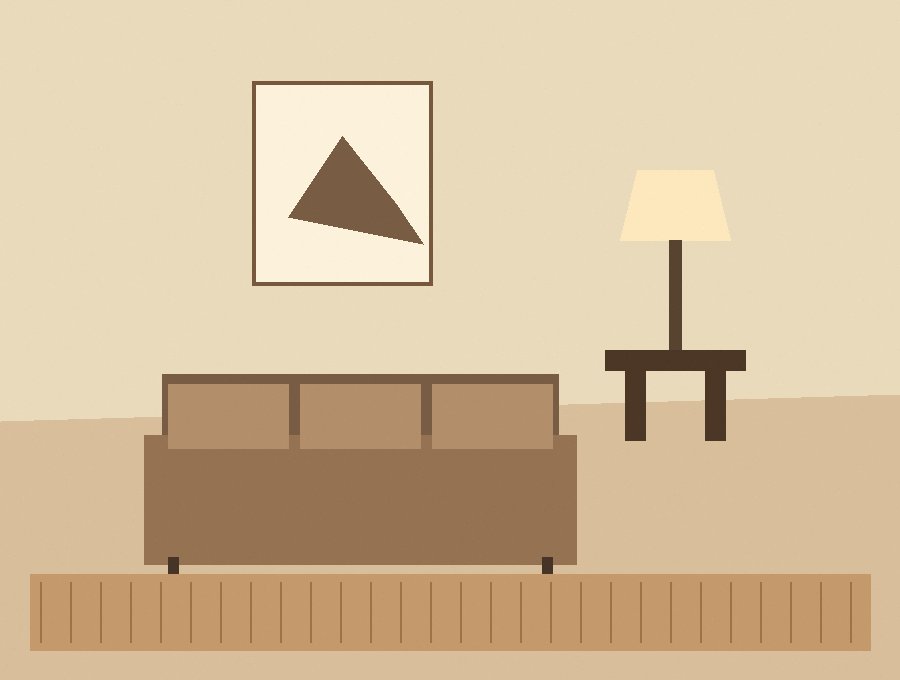
A household furnishing a new home should anchor spend in the rooms with the highest dwell time. Living room gets the largest single budget allocation, bedroom second, dining third, office fourth, guest room and auxiliary spaces last.

Inverting this order — spending on guest rooms before the living room — produces households that look impressive to visitors and uncomfortable to occupants. The inbox confirms this is a more common error than shoppers realize.

Home furniture allocation by time spent pays back in daily quality of life more than aesthetic uniformity.
Room priority
Room priorityTime spent, not square footage
Budget tier by piece type

Not every piece deserves an equal budget share.

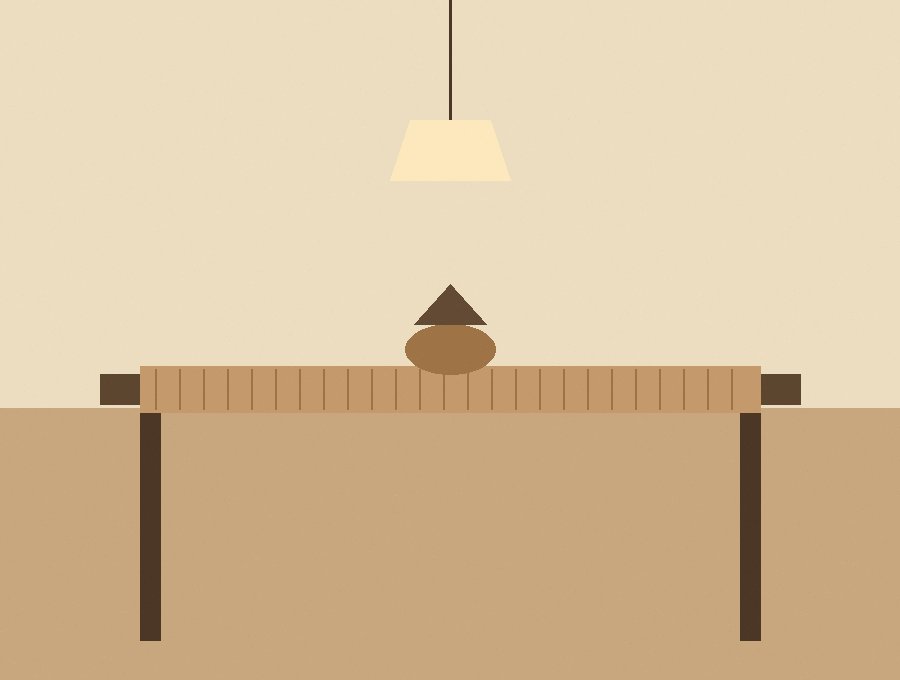
Sofas, beds and dining tables justify the largest single-piece budgets. They carry daily load and visible placement. Accent chairs, side tables and decor pieces justify smaller budgets; they rotate and accumulate.

The tiering that works: 25-35 percent of the home furniture budget on the living room sofa and seating, 20-25 percent on the bedroom bed and primary storage, 15-20 percent on dining, and the remainder distributed across secondary rooms and accent pieces.

Cheap big-ticket pieces fail faster than cheap accents. Invert the quality concentration at your peril.

Budget tiers
Budget tiersBig-ticket first

Quality signals that hold across retailers

Three signals reliably identify durable home furniture regardless of brand.

First: joinery. Dovetail joints on drawers, mortise-and-tenon on legs, reinforced corner blocks on upholstery frames. Visible quality joinery correlates strongly with service life.

Second: frame material on upholstery. Kiln-dried hardwood frames outlast engineered wood frames by roughly double on daily-use sofas.

Third: fabric rub count. Upholstery rated above 25,000 double-rubs (commercial grade) survives daily use materially better than 15,000-double-rub residential grade. Wayfair furniture store product pages sometimes list the rub count; ask Wayfair customer service if it's not displayed.

Quality signals
Quality signalsJoinery, frame, fabric rub

Sequencing the order over time

A household filled in stages works better than one filled in a single marathon order.

Most households cannot afford to fill from shell in a single order. The sequence that reader-inbox experience supports: move-in month gets the bed, the sofa, the dining table and the primary seating. Month two gets primary storage (dressers, bookcases). Month three gets the office and any secondary bedroom. Months four through six get accents and decor. Guest rooms wait until month nine or later. This sequence produces a functional home at every stage rather than a partially-finished one.

Home furniture room × priority piece × typical budget share
RoomPriority pieceBudget share (of total)
Living roomSofa, 2 accent chairs, TV console25–35%
Primary bedroomBed frame, mattress, dressers20–25%
DiningTable + chairs or dining set15–20%
Home officeDesk, task chair, bookcase8–12%
Kitchen & entryBar stools, entry console5–8%
Guest roomBed, light dresser5–10%
Decor & accentsRugs, lighting, wall art10–15%

Home Notes

Home furniture decisions are time-spent decisions first, aesthetic decisions second. A $2,000 sofa used 5 hours a day outperforms a $3,500 sofa used 1 hour a day on every metric that matters to the occupant. Budget where the use is.

When to wait for a sale versus buy now

The home furniture promotional calendar rewards patient shoppers on specific categories.

Dining tables and outdoor furniture go on deepest discount in predictable windows (January, July, late August for patio). Upholstered sofas and beds discount less predictably but benefit from retailer-specific promotional cycles. Decor and lighting discount continuously in rotation, rewarding steady shoppers more than patient ones. Home furniture shoppers who time big-ticket purchases to the known sale windows save 15-25 percent on average.

The FTC Consumer Information publishes general guidance on furniture shopping and warranty rights that applies cleanly across any retailer.

Home furniture — reader questions

Five common questions about budget, prioritization and quality signals on a full-household order.

Prioritization, budget & quality

Questions covering room-by-room priorities, budget allocation and durable-quality signals.

How do I prioritize home furniture purchases on a limited budget?

Spend where you spend time. Living room and primary bedroom anchor the budget. Dining third, office fourth, guest rooms last. This allocation pattern produces comfortable households at every budget tier.

What's a realistic home furniture budget for a new apartment?

Apartment-scale home furniture typically runs $4,000-$12,000 for a single-bedroom unit, depending on quality tier. Couples and families furnishing larger units scale roughly linearly with total square footage in the core rooms.

Should I buy home furniture in sets or mix pieces?

Sets save 15-25 percent on bundled pricing but can read as catalog-styled. Mixing pieces costs more but produces collected rooms that age better. Households with time to curate generally benefit from mixing; time-pressed households benefit from sets.

How do I spot quality home furniture at any price point?

Three signals: joinery (dovetail, mortise-and-tenon), frame material (kiln-dried hardwood on upholstery), and fabric rub count (25,000+ double-rubs on daily-use seating). These signals hold across brands and retailers.

When should I buy home furniture versus wait for a sale?

Big-ticket items (sofas, beds, dining tables) reward patient shoppers who time to January or July windows. Decor and lighting discount continuously. Accents rotate at the outlet layer year-round. Time your priority pieces; don't time your accents.